
DA Approval in Sydney – Step-by-Step Guide (2026)
Getting a Development Application (DA) approved in Sydney can feel complex, especially with evolving planning rules across NSW councils. Whether you’re building a new home, renovating, adding a secondary dwelling, or developing a commercial site, understanding the process early can save significant time, money, and redesigns.
This guide breaks down the DA approval process in Sydney step-by-step so you know exactly what to expect in 2026.
What is a DA (Development Application)?
A Development Application (DA) is a formal request submitted to your local council for approval to carry out development on a property.
In Sydney, a DA is required when your project:
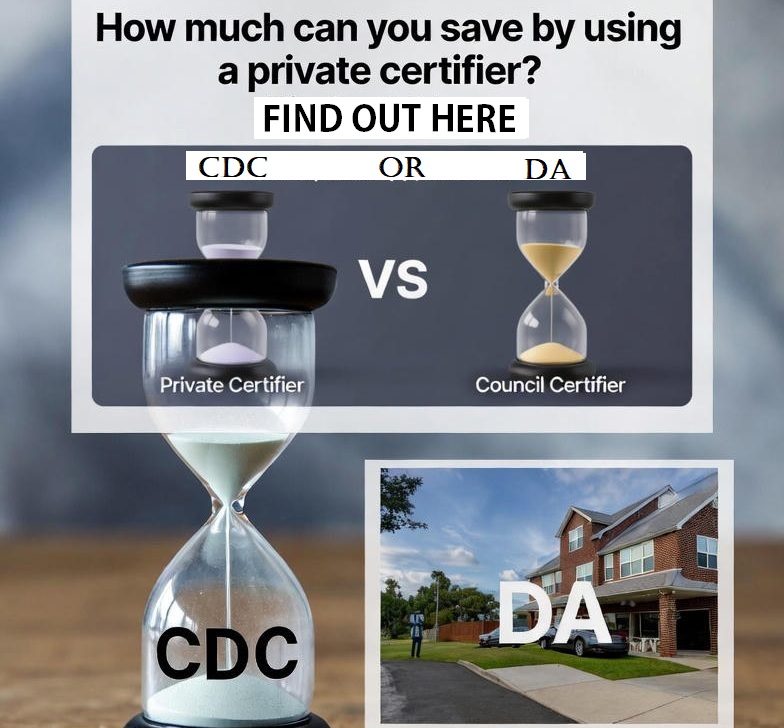
Does not qualify for Complying Development (CDC)
Exceeds certain zoning or planning controls
Requires council assessment (e.g. height, setbacks, land use changes)
A DA is assessed under the Environmental Planning and Assessment Act and relevant Local Environmental Plans (LEPs).
Step 1: Determine if You Need a DA or CDC
Before preparing anything, the first step is identifying the correct approval pathway.
Your project may qualify for:
Complying Development Certificate (CDC) if it meets strict criteria
Development Application (DA) if it requires council assessment
Typical DA-required projects include:
Complex renovations
Multi-dwelling developments
Heritage properties
Projects that exceed planning controls
Sites with environmental constraints
 A professional building consultancy review can prevent costly mistakes at this stage.
Step 2: Review Planning Controls for Your Site
Every property in Sydney is governed by planning rules, including:
Local Environmental Plan (LEP)
Development Control Plan (DCP)
Zoning restrictions
Floor space ratio (FSR)
Height limits
Setback requirements
These controls vary between councils such as:
City of Sydney
Parramatta Council
Hills Shire Council
Penrith Council
Liverpool Council
Understanding these early determines what is realistically achievable.
Step 3: Prepare Your Plans and Reports
Once feasibility is confirmed, you’ll need architectural and technical documentation.
Common DA documentation includes:
Architectural drawings (plans, elevations, sections)
Site plan and survey
Statement of Environmental Effects (SEE)
BASIX Certificate (for residential projects)
Shadow diagrams
Stormwater and drainage plans
Waste management plan
Bushfire assessment (if applicable)
More complex developments may require additional engineering or traffic reports.
Step 4: Pre-Lodgement Consultation (Optional but Recommended)
Many Sydney councils offer a pre-lodgement meeting.
This allows you to:
Identify issues early
Receive feedback from council officers
Improve approval chances
Reduce rejection risk
While optional, it is highly recommended for larger or complex developments.
Step 5: Lodge Your Development Application
Once documentation is complete, the DA is submitted through the NSW Planning Portal:
NSW Planning Portal
At this stage:
Council reviews documentation
Fees are paid
Application is formally registered
Step 6: Public Notification & Assessment
Depending on the project, council may notify neighbours or the public.
During assessment, council evaluates:
Compliance with planning controls
Environmental impact
Design quality
Traffic, privacy, and overshadowing impacts
They may:
Request additional information (RFI)
Ask for design changes
Consult with referral authorities
Step 7: Respond to Council Requests
It is common for councils to issue Requests for Information (RFI).
These may include:
Revised plans
Additional reports
Clarification of design elements
Fast and accurate responses can significantly reduce delays.
Step 8: DA Determination (Approval or Refusal)
Once assessment is complete, council will either:
Approve the DA (with conditions), or
Refuse the application
If approved, you will receive a Notice of Determination outlining all conditions of consent.
These conditions must be followed during construction.
Step 9: Post-Approval Requirements
After approval, you may still need:
Construction Certificate (CC)
Appointment of certifier
Compliance with approval conditions
Inspections during construction
This is where certification and compliance management becomes critical.
How Long Does DA Approval Take in Sydney?
Timeframes vary depending on complexity:
Simple projects: 4–8 weeks
Standard residential: 8–12 weeks
Complex developments: 3–6+ months
Delays often occur due to:
Incomplete documentation
Design non-compliance
Council backlogs
Environmental constraints
Common Reasons DA Applications Are Delayed or Rejected
Insufficient documentation
Non-compliance with LEP/DCP rules
Poor site planning or design
Missing reports (e.g. BASIX or SEE)
Overshadowing or privacy issues
Inaccurate surveys or plans
How a Building Consultancy Can Help
A professional building consultancy can significantly improve your approval outcome by:
Identifying approval pathway early (DA vs CDC)
Reviewing plans before submission
Ensuring compliance with NSW planning rules
Preparing required documentation
Managing council communication
Reducing delays and redesign costs
This is especially valuable in high-regulation areas across Sydney and Western Sydney councils.
Final Thoughts
Getting DA approval in Sydney is not just about submitting plans — it’s about strategy, compliance, and preparation.
The more accurate your documentation and planning at the beginning, the smoother the approval process will be.
If you’re unsure about your project, getting expert guidance early can save months of delays and thousands in redesign costs.