
BCA Compliance Checklist for Residential Developments
Introduction
Ensuring compliance with the Building Code of Australia (BCA), now part of the National Construction Code (NCC), is a critical step for all residential developments in Sydney and across NSW. Whether you are building a new home, duplex, townhouse, granny flat, or multi-residential development, meeting BCA requirements is essential for obtaining approvals, ensuring safety, and avoiding costly delays during construction.
This BCA compliance checklist for residential developments outlines the key requirements property owners, builders, developers, and architects should consider before construction begins.
What is BCA Compliance?
The Building Code of Australia (BCA) forms part of the National Construction Code (NCC) and sets the minimum standards for:
- Structural safety
- Fire safety
- Health and amenity
- Accessibility
- Energy efficiency
- Waterproofing
- Ventilation
- Building sustainability
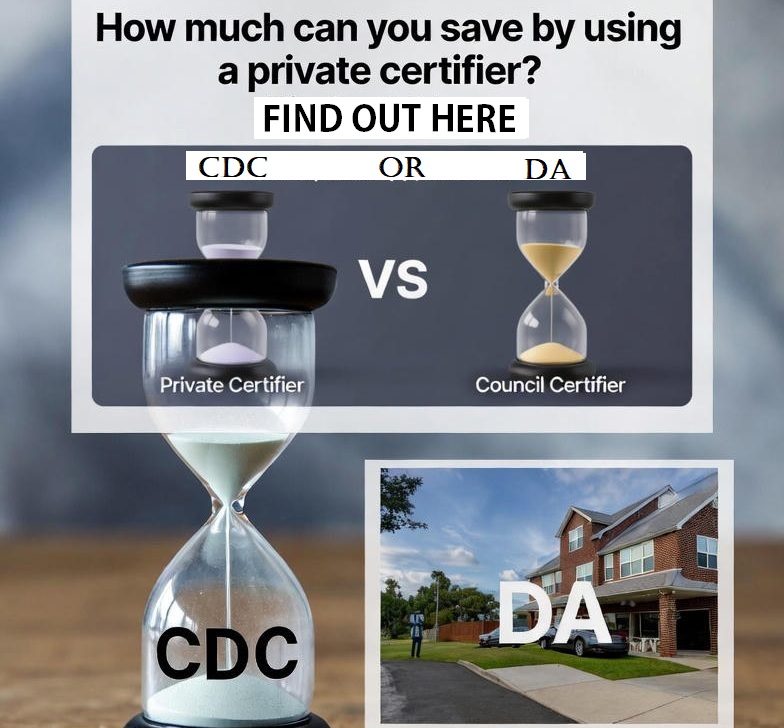
Compliance is mandatory for residential developments seeking Development Approval (DA), Complying Development Certificate (CDC), and construction certification in NSW.
BCA Compliance Checklist for Residential Developments
1. Site Planning and Zoning Compliance
Before preparing building plans, confirm the property complies with local council zoning and planning controls.
Key checks include:
- Land zoning restrictions
- Floor Space Ratio (FSR)
- Building height limits
- Setback requirements
- Site coverage
- Private open space
- Stormwater management
Proper site planning reduces the risk of DA rejection or redesign costs.
2. Structural Design Compliance
All residential developments must meet Australian structural engineering standards.
Checklist:
- Structural engineer certification
- Footing and slab design
- Wind load compliance
- Earthquake resistance requirements
- Retaining wall engineering
- Soil testing reports
Structural compliance ensures the building is safe and durable.
3. Fire Safety Requirements
Fire safety is one of the most important BCA compliance areas for residential projects.
Key requirements include:
- Smoke alarm installation
- Fire separation walls
- Fire-resistant materials
- Emergency exits
- Fire-rated doors
- Bushfire Attack Level (BAL) compliance where applicable
Non-compliance with fire safety standards can delay approvals and occupancy certificates.
4. Energy Efficiency Compliance
Residential developments in NSW must meet energy efficiency standards under the NCC and BASIX requirements.
Typical compliance areas:
- Insulation levels
- Window glazing performance
- Building sealing
- Natural ventilation
- Lighting efficiency
- Hot water system efficiency
- Solar energy systems
Energy-efficient homes improve long-term sustainability and reduce operating costs.
5. Waterproofing and Drainage
Improper waterproofing is a major cause of residential building defects.
Checklist:
- Bathroom waterproofing certification
- Balcony drainage design
- Roof drainage systems
- Surface water management
- Stormwater compliance
- Wet area membrane installation
All waterproofing work must comply with Australian Standards and NCC requirements.
6. Accessibility and Amenity
Residential developments should provide safe and functional living environments.
Compliance checks include:
- Stair dimensions
- Handrail installation
- Ceiling heights
- Natural light access
- Ventilation standards
- Acoustic performance
- Safe access pathways
Good design improves occupant comfort and long-term property value.
7. Building Documentation and Certification
Accurate documentation is essential for obtaining approvals.
Required documents may include:
- Architectural plans
- Engineering drawings
- BASIX certificate
- Specifications
- Survey reports
- Compliance certificates
- Hydraulic and stormwater plans
Incomplete documentation is one of the most common causes of approval delays.
8. Construction Inspections
Mandatory inspections are required throughout construction.
Inspection stages commonly include:
- Footings and slab inspections
- Frame inspections
- Waterproofing inspections
- Final occupancy inspections
Working with experienced building consultants helps ensure inspections proceed smoothly.
Common BCA Compliance Mistakes
Avoid these common issues:
- Incomplete documentation
- Incorrect fire safety design
- Non-compliant setbacks
- Poor waterproofing systems
- Inadequate ventilation
- Failure to meet BASIX requirements
- Unapproved design changes during construction
Early compliance planning can save significant time and money.
Why Professional Building Consultancy Matters
Navigating BCA and NCC requirements can be complex, especially for larger residential developments. Professional building consultants help ensure your project meets all planning, certification, and construction compliance requirements before work begins.
At AUSSURE, we assist homeowners, builders, and developers across Sydney with:
- BCA and NCC compliance advice
- DA and CDC approvals
- Building certification support
- Residential compliance assessments
- Construction documentation review
- Council approval guidance
Conclusion
Understanding the BCA compliance checklist for residential developments is essential for achieving successful building approvals and avoiding costly construction issues. By ensuring compliance with structural, fire safety, energy efficiency, waterproofing, and planning requirements, residential projects can move through approvals more efficiently and achieve long-term building performance.
If you need professional assistance with residential building approvals, compliance assessments, or development approvals in Sydney, AUSSURE can help guide your project through every stage of the approval process.