

Understanding Exempt Development in NSW – Before You Build, Renovate or Alter Your Property
Many property owners in NSW assume that small renovations or building works can simply proceed without approvals. While some works may qualify as “Exempt Development”, the reality is that planning rules can be far more complex than many contractors or homeowners realise.
Before starting any construction, renovation or alteration, it is important to understand your obligations under the NSW planning system and seek proper professional advice.
What Is Exempt Development?
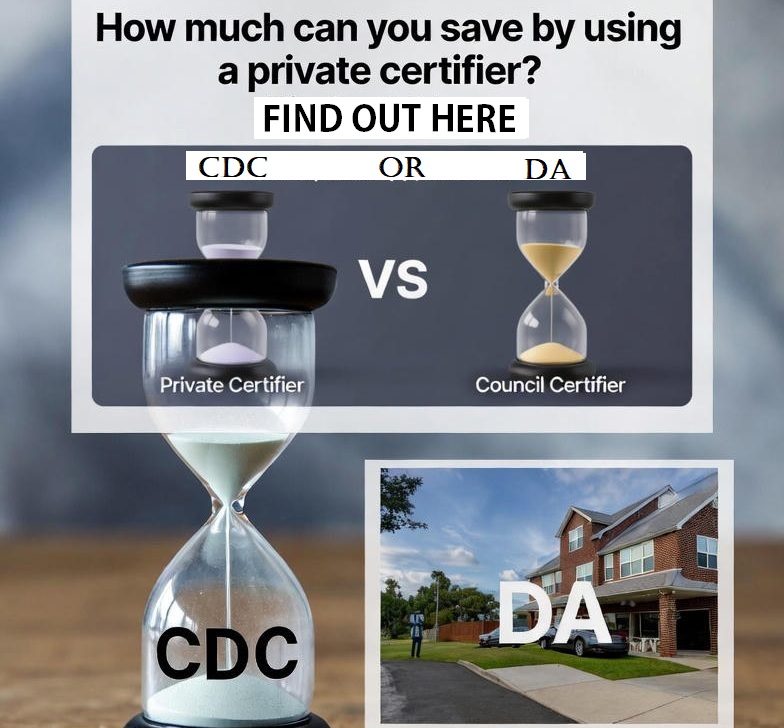
Under the NSW planning framework, certain low-impact works may be carried out without obtaining a Development Application (DA) or Complying Development Certificate (CDC), provided the proposal satisfies all relevant development standards within the State Environmental Planning Policy (Exempt and Complying Development Codes) 2008 (Codes SEPP). (Planning NSW)
Examples of development that may sometimes qualify as exempt include:
Small decks and patios
Fences
Garden sheds
Carports
Minor internal renovations
Painting and repair works
Certain awnings and pergolas
However, exempt development is only lawful if every applicable requirement is met. (Planning NSW)
Why Property Owners Must Be Careful
A very common mistake is assuming that “small works” automatically mean “no approval needed”.
In reality, exempt development rules depend on many factors, including:
Property zoning
Lot size
Heritage restrictions
Bushfire-prone land
Environmental constraints
Building height
Site coverage
Setbacks
Drainage impacts
Existing structures on site
Even works that appear simple can require approval if one standard is not satisfied.
For example, a pergola, deck or shed may appear exempt, but a variation in height, area, location or site conditions may trigger the need for a CDC or DA instead. (Planning NSW)
Not Every Contractor Is a Planning Expert
One of the biggest risks for homeowners is relying solely on verbal advice from builders or contractors.
Many contractors are highly skilled tradespeople — but that does not automatically make them planning consultants, certifiers or surveyors.
Unfortunately, some owners are told:
“You don’t need approval.”
“Everyone does it.”
“Council will never know.”
“It’s exempt.”
Only to later discover:
Council compliance issues
Stop work orders
Insurance complications
Difficulties selling the property
Expensive rectification works
Retrospective approval costs
Building approvals, planning controls and exempt development assessments should always be verified properly before work starts.
The Safest Approach Before Any Work
Before commencing any building work, owners should:
1. Contact Their Local Council
Your local council can often provide general guidance regarding zoning, heritage controls, bushfire constraints and whether approval pathways may apply.
Council planners or duty planners can help point owners in the right direction. (Planning NSW)
2. Consult a Building Consultant or Certifier
A qualified planning consultant, building consultant or accredited certifier can assess whether the proposal may qualify as:
Exempt Development
Complying Development
Development requiring a DA
Professional advice early in the process can save thousands of dollars and avoid major legal or compliance issues later.
3. Never Assume “Small” Means “Approval-Free”
Even minor works can become non-compliant if they:
affect stormwater
exceed exempt limits
are located on restricted land
involve structural changes
create habitable space
impact neighbours or fire safety requirements
Exempt Development Still Has Rules
Importantly, exempt development does not mean “unregulated”.
The Codes SEPP still requires compliance with applicable standards and other legislative obligations. (NSW Legislation)
Owners may still need to consider:
Building Code requirements
Structural compliance
Plumbing approvals
Fire safety obligations
Electrical compliance
Boundary and neighbour considerations
Protect Yourself Before You Build
The cost of obtaining professional advice is usually far less than the cost of fixing unlawful or non-compliant work later.
If you are unsure whether your project is exempt, complying or requires council approval, seek professional guidance before signing contracts or commencing construction.
A short consultation with an experienced consultant or certifier can provide clarity, reduce risk and help ensure your project proceeds lawfully and safely.
Final Thoughts
Exempt development pathways are designed to simplify low-impact works — but only when strict criteria are satisfied.
Every property is different, and relying on assumptions or informal advice can expose owners to serious risks.
Before carrying out any building work in NSW:
check the applicable planning controls,
contact your local council,
and consult experienced building approval professionals.
Doing things properly from the beginning can save significant time, stress and money in the future.